
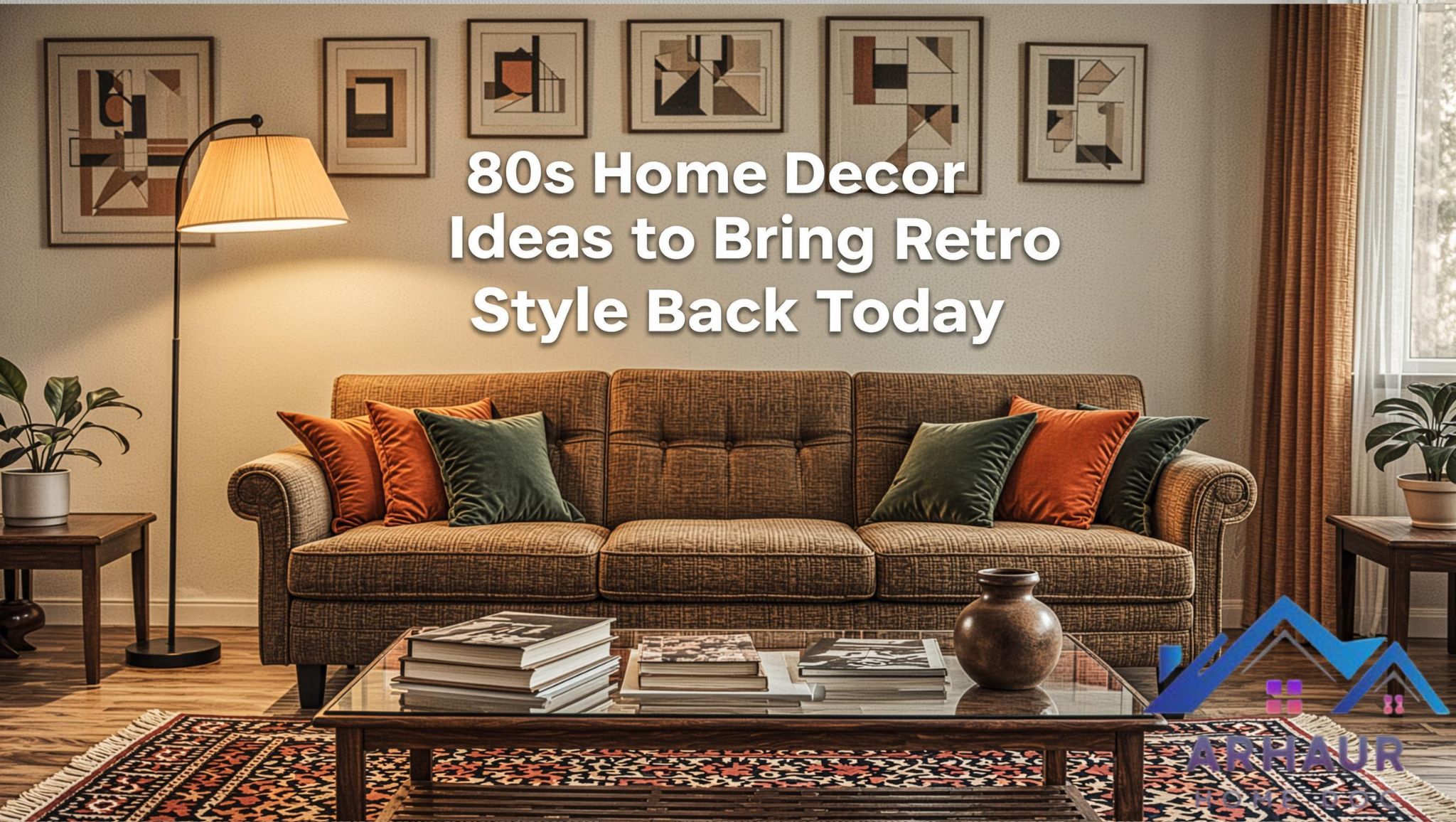
80s Home Decor Ideas to Bring Retro Style Back Today
Few decades left a mark on interior design quite like the 1980s. Bold colors, oversized furniture, glossy finishes, and daring patterns defined an era that embraced individuality and self-expression. Today, 80s home decor is making a remarkable comeback as homeowners rediscover the creativity and personality that made the decade unforgettable.
From vibrant geometric prints to luxurious materials and statement furniture, 1980s interiors were anything but subtle. While some trends have evolved, many of the era’s most iconic design elements are being reimagined for modern homes, creating spaces that feel nostalgic yet surprisingly fresh.
The renewed interest in retro decorating isn’t just about reliving the past. It’s about celebrating bold design choices, adding character to contemporary interiors, and creating rooms that stand out from the crowd.
Whether you’re looking to fully embrace the decade or simply incorporate a few vintage-inspired accents, this guide will help you understand, appreciate, and successfully style an 80s-inspired home.
Understanding 80s Home Decor
What Is 80s Home Decor?
80s home decor refers to the interior design styles, furnishings, color palettes, and decorative trends that were popular throughout the 1980s. The decade was known for its confidence, creativity, and willingness to experiment with dramatic visual elements.
Unlike the earthy tones of the 1970s or the minimalism that followed in later decades, 1980s interiors embraced:
- Bold color combinations
- Geometric patterns
- Glossy surfaces
- Statement furniture
- Luxurious materials
- Eclectic accessories
The result was a design movement that celebrated excess, energy, and individuality.
Why the 1980s Are Influencing Modern Interiors Again
Many homeowners are growing tired of overly neutral spaces and predictable design trends. The resurgence of retro styling reflects a desire for interiors that feel more personal and expressive.
Modern interpretations of 1980s design often blend vintage influences with contemporary simplicity, creating spaces that feel nostalgic without appearing outdated.
The Signature Colors of 80s Home Decor
Bold and Vibrant Color Palettes
Color played a major role in defining 1980s interiors.
Popular shades included:
- Electric blue
- Hot pink
- Bright turquoise
- Sunshine yellow
- Coral
- Purple
These vibrant tones were often combined in unexpected ways to create energetic and visually exciting rooms.
Soft Pastels and Glamorous Neutrals
While bold colors dominated many interiors, pastel shades also became iconic during the decade.
Popular pastel combinations included:
- Peach and mint green
- Lavender and cream
- Baby blue and blush pink
These softer palettes often appeared in upscale homes and luxury-inspired interiors.
Furniture Styles That Defined the 1980s
Oversized Seating
Comfort and visual impact were equally important during the decade.
Popular furniture pieces included:
- Large sectional sofas
- Plush armchairs
- Deep-cushioned seating
- Curved furniture designs
These pieces helped create inviting spaces designed for entertaining and relaxation.
Glass and Chrome Furniture
Modern influences introduced sleek materials that reflected the decade’s fascination with luxury and technology.
Common choices included:
- Glass coffee tables
- Chrome-framed furniture
- Mirrored surfaces
- High-gloss finishes
These elements added sophistication while enhancing light throughout a room. You may read this: TheHometrotters .com Home Decor Ideas to Transform Your Space.
Patterns and Prints in 80s Home Decor
Geometric Designs
Geometric patterns became a defining feature of many interiors.
Popular applications included:
- Wallpaper
- Area rugs
- Upholstery
- Decorative accessories
Bold shapes helped create visual movement and excitement.
Memphis Design Influence
One of the most recognizable design movements of the era was Memphis design.
Characteristics included:
- Asymmetrical shapes
- Bright colors
- Playful patterns
- Abstract forms
Today, Memphis-inspired accents are frequently incorporated into contemporary spaces seeking a retro edge.
Popular Materials Used During the 1980s
Lacquered Finishes
High-gloss lacquer surfaces became synonymous with luxury.
These finishes appeared on:
- Cabinets
- Dining tables
- Bedroom furniture
- Decorative accessories
The reflective quality contributed to the glamorous atmosphere popular at the time.
Brass and Metallic Accents
Metallic finishes added elegance and sophistication.
Common applications included:
- Light fixtures
- Furniture hardware
- Decorative sculptures
- Mirrors
Brass, gold, and chrome were particularly popular choices.
Mirrored Surfaces
Mirrors were used extensively to make spaces appear larger and brighter.
Popular placements included:
- Accent walls
- Furniture fronts
- Decorative accessories
- Console tables
Decorating the Living Room With 80s Inspiration
Creating a Retro Statement
The living room was often the showcase space of the home.
Key features included:
- Statement furniture
- Bold color palettes
- Large artwork
- Dramatic lighting
A carefully chosen focal point can instantly establish the desired retro atmosphere.
Layering Textures
Texture helped balance the bold visual elements common in the decade.
Popular materials included:
- Velvet
- Leather
- Silk
- Plush carpeting
Layering these textures created warmth and depth.
Bedroom Design Inspired by the 1980s
Glamorous and Comfortable Spaces
Bedrooms often reflected luxury and comfort.
Design elements included:
- Upholstered headboards
- Mirrored furniture
- Statement bedding
- Soft lighting
The emphasis was on creating a retreat that felt both stylish and relaxing.
Popular Bedroom Color Schemes
Common combinations included:
- Black and gold
- Peach and cream
- Teal and pink
- White and lavender
These palettes balanced boldness with sophistication.
Kitchen Trends From the 1980s
Functional Yet Stylish Design
The kitchen evolved into a central gathering place.
Popular features included:
- Glossy cabinets
- Decorative tile backsplashes
- Bright accent colors
- Open layouts
Functionality remained important, but visual appeal received increased attention.
Decorative Accessories
Popular kitchen décor included:
- Ceramic canisters
- Patterned textiles
- Brass fixtures
- Colorful appliances
These additions helped personalize the space.
Bringing 80s Home Decor Into Modern Homes
Start With Accent Pieces
For those hesitant to commit fully, smaller additions can provide retro character.
Consider:
- Colorful cushions
- Geometric artwork
- Vintage lamps
- Decorative mirrors
These elements introduce nostalgic charm without overwhelming the space.
Balance Retro and Contemporary Design
Successful modern interpretations often combine vintage inspiration with clean contemporary lines.
Tips include:
- Limiting bold colors to accents
- Using retro furniture selectively
- Incorporating modern lighting
- Maintaining visual balance
This approach keeps interiors fresh and relevant.
Common Mistakes to Avoid
Overloading a Room With Patterns
While patterns were popular during the decade, too many competing designs can feel chaotic.
Instead:
- Choose one dominant pattern
- Balance bold prints with solid colors
- Maintain visual breathing room
Ignoring Scale and Proportion
Large furniture should suit the room’s dimensions.
Always consider:
- Ceiling height
- Floor space
- Traffic flow
- Existing furnishings
Proper scaling creates harmony.
Turning Nostalgia Into Clutter
Vintage-inspired design should feel intentional.
Focus on:
- Quality over quantity
- Carefully selected pieces
- Cohesive color palettes
- Thoughtful styling
Benefits of Embracing 1980s Design
Adds Personality
Retro-inspired interiors stand out and reflect individuality.
Encourages Creativity
The decade celebrated experimentation and self-expression.
Creates Memorable Spaces
Bold colors and distinctive furnishings make lasting impressions.
Offers Design Flexibility
Many retro elements can be adapted to suit modern tastes.
FAQ
What defines 80s home decor?
80s home decor is characterized by bold colors, geometric patterns, oversized furniture, glossy finishes, and expressive design elements.
Is 1980s decor coming back in style?
Yes. Many homeowners and designers are incorporating retro influences into modern interiors through furniture, colors, and decorative accents.
What colors were popular in 1980s interiors?
Popular colors included turquoise, pink, purple, peach, teal, yellow, and various pastel shades.
What is Memphis design?
Memphis design is a 1980s design movement known for bright colors, abstract shapes, and playful geometric patterns.
Can I incorporate 80s style without making my home look outdated?
Absolutely. Use retro-inspired accents, artwork, and furniture while maintaining a balanced and contemporary overall design.
What furniture styles were common during the 1980s?
Large sectional sofas, glass tables, chrome furniture, upholstered seating, and mirrored pieces were popular.
What materials best represent 1980s design?
Lacquered finishes, chrome, brass, mirrored surfaces, velvet, and glass are strongly associated with the decade.
How do I modernize retro decor?
Pair vintage-inspired pieces with neutral backgrounds, modern lighting, and streamlined furnishings to create balance.
Conclusion
The 1980s were a decade defined by confidence, creativity, and fearless self-expression. Those same qualities continue to inspire homeowners who want interiors that feel vibrant, memorable, and full of personality.
Whether you’re drawn to geometric patterns, bold color palettes, luxurious materials, or iconic furniture silhouettes, retro-inspired decorating offers countless opportunities to create unique living spaces. By thoughtfully blending nostalgic elements with contemporary design principles, you can capture the spirit of the decade while maintaining a fresh and sophisticated aesthetic.
The beauty of 1980s-inspired interiors lies in their ability to celebrate individuality. Rather than following rigid rules, they encourage experimentation and personal expression—qualities that make a house truly feel like home.