

Renovation Tips Decoradhouse: Smart Home Makeover Ideas
There’s a particular kind of exhaustion that comes from staring at a room you’ve stopped seeing. You walk past the same cracked tile, the same tired paint color, the same cabinet door that never quite closes right, and after a while, you stop noticing it — until you’re finally ready to change it. That’s usually the moment people start searching for renovation tips decoradhouse enthusiasts have quietly relied on for years, because a good renovation isn’t about spending more money. It’s about spending it in the right order, on the right things, at the right time.
If you’ve ever started a home project with big plans and ended up with a half-finished bathroom and a maxed-out credit card, you already know why this matters. Renovations go sideways not because people lack taste or effort, but because they skip the boring parts — the planning, the sequencing, the budgeting — and jump straight to the fun stuff. This guide is here to fix that, one practical decision at a time.
By the time you finish reading, you’ll have a clear framework for approaching your next project room by room, along with the kind of specific, real-world advice that actually holds up once the dust starts flying. No vague platitudes, no “just hire a professional and hope for the best.” Just a grounded, human approach to getting your home right.
Why the Renovation Tips Decoradhouse Approach Works So Well
Most renovation advice online falls into one of two camps. Either it’s written for people with unlimited budgets and a design team on speed dial, or it’s so generic it could apply to literally any home built after 1950. Neither is particularly useful when you’re standing in your own kitchen trying to decide whether to replace the countertops or just repaint the cabinets.
What sets a more thoughtful approach apart is the emphasis on sequencing and priority. Instead of treating every room like its own isolated project, it treats your entire home as a connected system, where decisions in one space ripple into the next. Swap out flooring in the hallway, and suddenly your living room carpet looks dated by comparison. Update the kitchen faucet, and the bathroom fixtures start feeling a little worn out too.
This is exactly why so many homeowners end up frustrated halfway through a project — they didn’t plan for the ripple effect. A smarter method accounts for it from the start, which is a big part of why this style of renovation planning has become so popular among people renovating on a realistic, middle-of-the-road budget.

Planning Before You Pick Up a Single Tool
It’s tempting to skip straight to demo day. There’s something satisfying about swinging a sledgehammer at a wall you’ve hated for years. But the projects that actually finish on time — and on budget — almost always start with a few unglamorous hours of planning.
Setting a Realistic Budget
Start by writing down a number you’re comfortable spending, then quietly add 15 to 20 percent on top of it. This isn’t pessimism; it’s just how renovations behave. Pipes are never exactly where the blueprints say they are. Old wiring surprises everyone. Paint always needs a second coat. Building that cushion into your budget from day one means a surprise doesn’t derail the entire project — it just eats into the buffer you already planned for.
A few line items people consistently underestimate:
- Permit and inspection fees, especially for electrical or plumbing work
- Disposal costs for old materials, appliances, and debris
- Temporary living adjustments if a kitchen or bathroom will be out of commission
- Design fixes once you see the finished space in person and something feels off
Creating a Priority List
Not every room needs attention right now, and trying to do everything at once is one of the fastest ways to burn out — financially and emotionally. Rank your spaces by two factors: how much daily friction they cause you, and how much value they’d add if sold. Kitchens and bathrooms almost always sit near the top of both lists, which is why they tend to come first in most well-planned projects.
Write your list out, even if it feels obvious. Seeing “kitchen, primary bathroom, guest bedroom, backyard” on paper makes it much easier to say no to distractions later, like the sudden urge to repaint the garage the week before your kitchen countertops arrive.
Room-by-Room Renovation Tips Decoradhouse Style
Every home is different, but certain rooms respond to the same handful of smart moves again and again. Here’s where to focus your energy, room by room.
Kitchen Renovations That Add Real Value
The kitchen is the room people obsess over the most, and for good reason — it’s usually the most-used space in the house and the one buyers scrutinize hardest if you ever sell. A few upgrades consistently deliver more impact than their cost would suggest:
- Cabinet refacing instead of replacement. New doors and hardware on existing cabinet boxes can transform a kitchen’s entire feel for a fraction of full replacement cost.
- Under-cabinet lighting. It’s inexpensive, takes an afternoon to install, and instantly makes counters feel more functional and upscale.
- A single statement element. Whether it’s a bold backsplash, a striking light fixture, or a contrasting island color, one intentional focal point does more than a dozen small, scattered changes.
Countertops are where people tend to overspend without realizing it. Quartz looks fantastic and performs well, but mid-range laminate options have improved dramatically and can hold their own visually in photos and in person, especially in a room where lighting and layout do a lot of the heavy lifting.
Bathroom Upgrades Worth the Investment
Bathrooms are small, which makes them deceptively expensive per square foot — every fixture, tile, and finish is concentrated into a tight space, so quality matters more than quantity. Focus on:
- Regrouting or replacing tile, since discolored grout ages a bathroom faster than almost anything else
- Updating the vanity and mirror, which sets the tone for the entire room
- Improving ventilation, since moisture problems undo cosmetic work fast
- Swapping fixtures for a cohesive finish, like matching brushed nickel or matte black hardware throughout
If your budget only stretches to one splurge in this room, put it toward the shower or tub area. It’s the visual and functional centerpiece, and a dated shower enclosure drags down the perception of an otherwise updated bathroom.
Living Room and Bedroom Refreshes
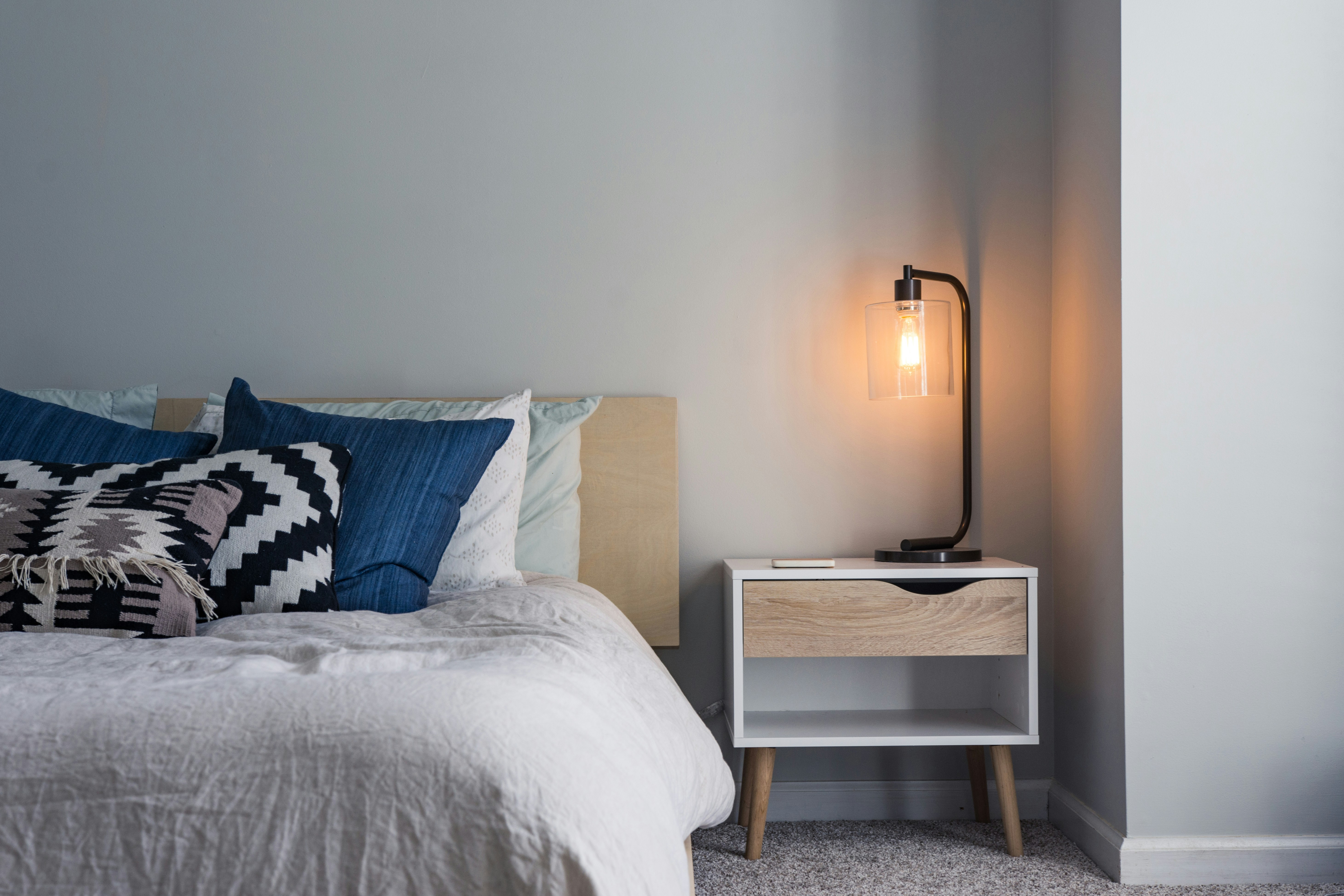
These rooms rarely need structural changes, but they respond beautifully to lighting, paint, and texture updates. Layered lighting — a mix of overhead, task, and ambient sources — does more to change a room’s mood than almost any other single change. Pair that with a neutral base palette and a few textured elements like a wool rug or linen curtains, and even a room with the same furniture you’ve had for years can feel entirely refreshed.
Budget-Friendly Renovation Tips Decoradhouse Recommends
Not every improvement needs a contractor and a construction loan. Some of the most satisfying home transformations come from smaller, smarter decisions.
DIY vs Hiring Professionals
Be honest with yourself about what you can actually handle. Painting, minor landscaping, cabinet hardware swaps, and basic tiling are reasonable DIY territory for most people with a little patience and some online tutorials. Electrical work, gas lines, load-bearing walls, and major plumbing changes are not the place to save money by learning on the job — mistakes there are expensive, and sometimes dangerous.
A good rule of thumb: if a mistake would be annoying to fix, consider DIY. If a mistake would be dangerous or structurally significant, hire a licensed professional.
Where to Splurge and Where to Save
Every renovation involves trade-offs, and knowing where to allocate money is half the skill.
Worth splurging on:
- Flooring, since it covers the largest visual area of any room and takes the most daily wear
- Anything load-bearing or structural
- Fixtures you touch every day, like faucets and door handles
Fine to save on:
- Paint, which is inexpensive to redo if you change your mind later
- Light fixtures in secondary rooms like closets or laundry areas
- Decorative accents that can be swapped out seasonally without much cost
Choosing Materials and Finishes That Last
Trends come and go, but certain material choices age gracefully regardless of what’s currently popular. Natural materials — wood, stone, linen, wool — tend to look intentional even years later, while highly trendy synthetic finishes can start to feel dated within a single decade.
When comparing materials, weigh three factors evenly: durability, maintenance, and how the material ages visually over time. A material that scratches easily or shows every water spot will frustrate you daily, no matter how good it looks on install day. This is one of the quieter renovation tips decoradhouse fans often mention: the best-looking material in the showroom isn’t always the best-performing one in your actual, lived-in home.
A Quick Materials Comparison
| Material | Durability | Maintenance | Best For |
|---|---|---|---|
| Quartz | High | Low | Kitchen counters |
| Solid hardwood | High | Moderate | Living areas |
| Porcelain tile | Very high | Low | Bathrooms, entryways |
| Laminate | Moderate | Low | Budget-conscious kitchens |
Common Renovation Mistakes to Avoid
Even careful planners fall into a few predictable traps. Watching for these ahead of time can save real money and real frustration.
- Underestimating the timeline. Almost everything takes longer than the contractor’s initial estimate, especially once permits and inspections enter the picture.
- Choosing finishes before seeing them in your home’s actual light. A tile that looks perfect under showroom lighting can look completely different under your kitchen’s warm overhead bulbs.
- Ignoring the existing bones of the house. Fighting your home’s natural style, like forcing an ultra-modern aesthetic into a century-old cottage, usually creates friction rather than flow.
- Skipping the permit process to save time, which can create serious problems if you ever try to sell.
- Over-personalizing every surface, which can limit resale appeal even if it feels perfect for your own taste today.
Sustainable and Eco-Friendly Renovation Ideas
More homeowners are factoring sustainability into their renovation decisions, and it doesn’t have to mean sacrificing style or budget. A few approachable starting points:
- Choose low-VOC paints, which are better for indoor air quality and now widely available at standard price points
- Install LED lighting throughout, which pays for itself in reduced energy costs within a couple of years
- Reclaimed wood and salvaged materials can add character while reducing environmental impact
- Improved insulation and weatherstripping often deliver a better return on investment than flashier upgrades, simply because they lower utility bills for as long as you live in the home
These choices tend to align naturally with the same values behind smart renovation tips decoradhouse readers look for: spend intentionally, avoid waste, and build something that holds up over time rather than needing to be redone in five years.
Frequently Asked Questions
What is the most cost-effective room to renovate first?
Kitchens and primary bathrooms typically offer the best return on investment, both in daily quality of life and in resale value, which is why most renovation plans start there.
How much should I budget for a home renovation contingency fund?
A buffer of 15 to 20 percent above your estimated project cost is a safe standard, since unexpected issues like outdated wiring or plumbing are common in older homes.
Can I renovate a kitchen without replacing the cabinets entirely?
Yes. Refacing cabinet doors, updating hardware, and repainting the boxes can dramatically change a kitchen’s look for a fraction of full replacement cost.
How long does an average bathroom renovation take?
A standard bathroom remodel typically takes two to four weeks, though timelines can extend if structural or plumbing changes are involved.
Do I need a permit for a small home renovation?
It depends on your local regulations and the scope of work, but electrical, plumbing, and structural changes almost always require a permit, even for smaller projects.
What’s the biggest mistake homeowners make during a renovation?
Underestimating both time and budget is the most common issue, closely followed by choosing finishes before seeing them in the actual lighting of the room.
Should I hire a designer or plan the renovation myself?
If your project involves multiple rooms or structural changes, a designer can help sequence decisions and avoid costly mistakes. Smaller, single-room updates are often manageable independently with good research.
Are open-concept renovations still worth it?
Open layouts remain popular for their light and flow, but they aren’t right for every home. Consider your household’s actual daily habits, not just current trends, before removing walls.
Wrapping It All Up
Renovating a home is never just about the finished photos — it’s about the countless small decisions that lead up to them, the budget lines you had to adjust twice, and the moment you finally walk into a space that feels like it fits your life again. The homeowners who come out the other side happiest aren’t the ones with the biggest budgets. They’re the ones who planned carefully, prioritized honestly, and gave themselves room for the inevitable surprises along the way.
Whatever room you tackle first, let it be the one that bothers you the most every single day. That’s usually where the return, both financial and personal, will feel the most worth it.