
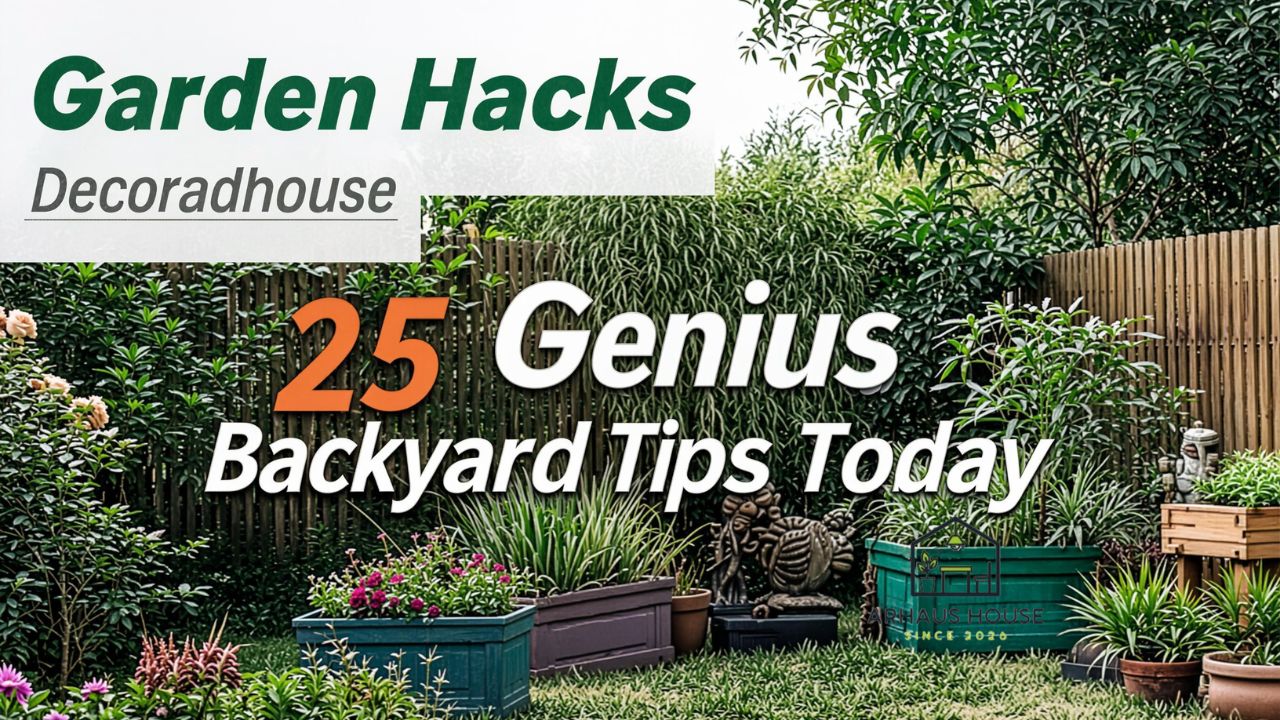
Garden Hacks DecoradHouse: 25 Genius Backyard Tips Today
There’s a particular kind of joy that comes from stepping outside and actually loving what you see—no overgrown weeds fighting for space, no rusted tools tripping you up, just a yard that feels like an extension of your home. If you’ve ever scrolled through pictures of effortlessly beautiful backyards and wondered how anyone keeps it together, you’re not alone, and the good news is that it usually comes down to a handful of clever, repeatable tricks rather than a green thumb you were born with. That’s exactly the spirit behind garden hacks decoradhouse, a growing collection of practical, budget-conscious ideas designed to make outdoor spaces work harder and look better without draining your weekends or your wallet.
Whether you’re dealing with a sprawling backyard, a tiny balcony, or something in between, the right shortcuts can save you hours of labor and dozens of dollars over a season. This matters because gardening shouldn’t feel like a second job—it should feel like a hobby that pays you back in fresh herbs, colorful blooms, and a little peace at the end of a long day. In this guide, we’re walking through real, testable ideas pulled from the kind of everyday trial and error that actually works, organized so you can jump straight to what fits your space and your season.
By the end, you’ll have a toolkit of ideas you can start using this weekend, from clever plant care shortcuts to smart storage solutions and pest control tricks that don’t involve harsh chemicals. Let’s dig in.
What Makes garden hacks decoradhouse Style So Popular
There’s a reason this particular approach to gardening has caught on with so many homeowners and renters alike. It isn’t about expensive landscaping crews or rare imported plants—it’s about resourcefulness. The philosophy leans heavily on repurposing what you already have, working with your specific climate instead of against it, and prioritizing solutions that save time without sacrificing beauty.
A Focus on Practical Beauty
Good design doesn’t have to be complicated. A row of mismatched terracotta pots painted the same color can look just as intentional as a matching set from a garden center. The core idea behind this style is that thoughtful arrangement and consistent upkeep matter more than how much you spent.
Accessible to Every Skill Level
You don’t need years of horticultural training to pull off a beautiful yard. Many of the most popular tricks are things beginners can execute in under an hour, and they scale up nicely as your confidence grows. This accessibility is a big part of why so many people search out these kinds of tips when they’re just starting out.
Budget-Friendly Garden Hacks Decoradhouse Fans Swear By
Money is often the biggest barrier between people and the yard they picture in their heads. Fortunately, some of the most effective tricks cost next to nothing.
Repurpose Household Items as Planters
Old colanders, wooden crates, tin cans, and even worn-out boots can become charming planters with a coat of paint and a few drainage holes drilled into the bottom. This is one of the simplest garden hacks decoradhouse enthusiasts return to again and again, because it turns clutter into decor instantly.
Make Your Own Compost
Skip the bagged fertilizer and start a simple compost bin using kitchen scraps, coffee grounds, and yard waste. Within a few months, you’ll have rich, dark soil amendment that costs nothing beyond the initial container.
A few compost-starter essentials worth keeping on hand:
- Coffee grounds and eggshells (nitrogen and calcium)
- Dried leaves or shredded newspaper (carbon-rich “browns”)
- A pitchfork or shovel for turning the pile
- A moisture-retaining lid or tarp
Propagate Instead of Repurchase
Many popular houseplants and herbs—like pothos, mint, and basil—root easily in a glass of water. Rather than buying new plants every season, take cuttings from what’s already thriving and multiply your collection for free.
Small-Space garden hacks decoradhouse Ideas for Balconies and Patios
Not everyone has a sprawling backyard, and that’s perfectly fine. Vertical thinking and smart container choices can turn even a narrow balcony into a lush little retreat.
Go Vertical With Wall Planters
Hanging shoe organizers, tiered plant stands, and wall-mounted grids let you stack greenery upward instead of spreading it outward. This is especially useful for apartment dwellers who still want a garden hacks decoradhouse-inspired setup without the square footage to match.
Choose Multi-Season Containers
Pick pots that are large enough to support root growth through more than one planting cycle. Self-watering containers are particularly handy here, since they reduce how often you need to check on thirsty plants during hot stretches.
Group Plants by Watering Needs
Placing succulents next to moisture-loving ferns is a common rookie mistake. Instead, cluster plants with similar water and light requirements together so you’re not accidentally overwatering one to satisfy another.
Seasonal Garden Hacks for Every Region
Timing plays a bigger role in a thriving garden than most people realize. What works in spring often backfires by midsummer, so adjusting your approach with the calendar pays off.
Spring Prep Shortcuts
Before planting season kicks off, test your soil’s pH with an inexpensive kit rather than guessing. Adding a layer of compost in early spring gives roots a head start before the heat arrives.
Summer Heat Management
Mulching around the base of plants keeps soil temperatures down and slows moisture evaporation, meaning less frequent watering during the hottest months. A two-to-three-inch layer of straw, bark, or shredded leaves works well for most garden beds.
Fall and Winter Protection
Wrapping vulnerable potted plants in burlap or moving them closer to a wall that retains heat can prevent frost damage. It’s a small effort that saves you from replacing plants come spring.
Smart Watering and Irrigation Tricks
Overwatering and underwatering are two of the most common ways gardens fail, and both are easy to avoid with a few adjustments.
DIY Drip Irrigation From Plastic Bottles
Poke a few small holes near the cap of a plastic bottle, bury it neck-down beside a plant’s root zone, and fill it with water. It slowly seeps out over a day or two, keeping soil consistently moist without daily watering trips.
Water Early, Not Midday
Watering in the early morning reduces evaporation loss and gives leaves time to dry before nightfall, which helps prevent fungal issues. This single timing change is one of the easiest garden hacks decoradhouse guides recommend for anyone struggling with inconsistent plant health.
Collect Rainwater When You Can
A simple rain barrel positioned under a downspout can supply weeks’ worth of free, chemical-free water for your beds and containers, especially valuable during dry stretches.
Natural Pest Control Without the Chemicals
Nobody wants to spray harsh pesticides near the vegetables they’re planning to eat. Thankfully, nature offers plenty of gentler alternatives.
Companion Planting for Pest Deterrence
Certain plant pairings naturally repel unwanted insects. Marigolds planted near tomatoes, for instance, are widely believed to discourage nematodes and other common garden pests, while also adding a pop of color.
Homemade Insecticidal Soap
A mixture of mild dish soap and water in a spray bottle can handle aphids and spider mites on contact without harming beneficial insects like ladybugs when used sparingly and correctly.
Invite Beneficial Wildlife
Installing a small birdbath or leaving a shallow dish of water out encourages birds that feed on garden pests. Bee-friendly flowers like lavender and coneflower also support pollinators essential to a thriving garden.
Organization and Storage Solutions That Actually Work
A cluttered shed or a tangle of hoses can make gardening feel like a chore before you’ve even picked up a trowel. Streamlining your setup makes everything else easier.
Pegboards for Tool Storage
Mounting a pegboard in your shed or garage keeps hand tools visible and within reach, cutting down on time spent hunting for a trowel or pruning shears.
Label Everything
A simple set of waterproof plant markers—or even repurposed popsicle sticks—prevents the common mix-up of forgetting what you planted where, especially with seedlings that look nearly identical early on.
Create a Potting Station
Dedicating even a small corner with a flat surface, a bag of soil, and basic tools nearby makes repotting and starting seeds far less messy and far more likely to actually happen.
Decor and Styling Tips to Tie It All Together
Function matters, but so does how your space makes you feel. A few finishing touches can turn a functional garden into a genuinely relaxing retreat.
Mix Textures and Heights
Combining spiky ornamental grasses with round, bushy shrubs and trailing vines adds visual interest without requiring exotic species. Layering height—tall in back, short in front—also makes small beds look fuller.
Add Warm Lighting
Solar-powered string lights or lanterns extend how long you can enjoy your yard into the evening, and they require zero wiring or added electricity costs.
Keep a Consistent Color Palette
Choosing two or three complementary colors for pots, cushions, and blooms creates a cohesive look rather than a scattered one, which is a subtle but effective principle borrowed from interior design and applied outdoors.
FAQ
What are the easiest garden hacks decoradhouse fans recommend for beginners?
Starting with container gardening, composting kitchen scraps, and grouping plants by watering needs are among the simplest and most forgiving places to begin, since they require minimal tools and low upfront investment.
How can I keep my garden looking good on a tight budget?
Repurpose household containers, propagate plants from cuttings instead of buying new ones, and make your own compost rather than purchasing fertilizer. These small changes add up to significant savings over a season.
What’s the best way to water plants during a heatwave?
Water early in the morning, apply a layer of mulch to retain moisture, and consider a simple DIY drip system using a repurposed bottle so roots stay hydrated without daily manual watering.
Can I use these garden hacks decoradhouse tips on a balcony or small patio?
Yes. Vertical planters, wall-mounted grids, and self-watering containers are especially well suited to small spaces, letting you grow a surprising amount in a limited footprint.
How do I keep pests away without using chemical sprays?
Try companion planting with pest-deterring flowers like marigolds, use a mild soap-and-water spray for soft-bodied insects, and encourage natural predators like birds and beneficial insects into your space.
How often should I turn my compost pile?
Turning your compost every one to two weeks helps speed up decomposition and prevents odor by keeping the pile aerated, though even occasional turning will still produce usable compost eventually.
What plants are easiest to propagate at home?
Pothos, spider plants, mint, basil, and succulents are all known for rooting easily in water or soil, making them ideal for building out a collection without buying new stock.
How do I organize a small garden shed efficiently?
A pegboard for hanging tools, labeled bins for smaller supplies, and a dedicated potting station make the biggest difference in keeping a small space functional and easy to navigate.
Final Thoughts
Building a garden you’re proud of doesn’t require a landscaping budget or years of experience—it requires a handful of smart, repeatable habits and the willingness to experiment a little along the way. From repurposed containers to homemade pest deterrents, the ideas here are meant to be starting points you can adapt to your own climate, space, and taste. Try a few this weekend, keep what works for you, and let your outdoor space grow into something that genuinely feels like yours.