
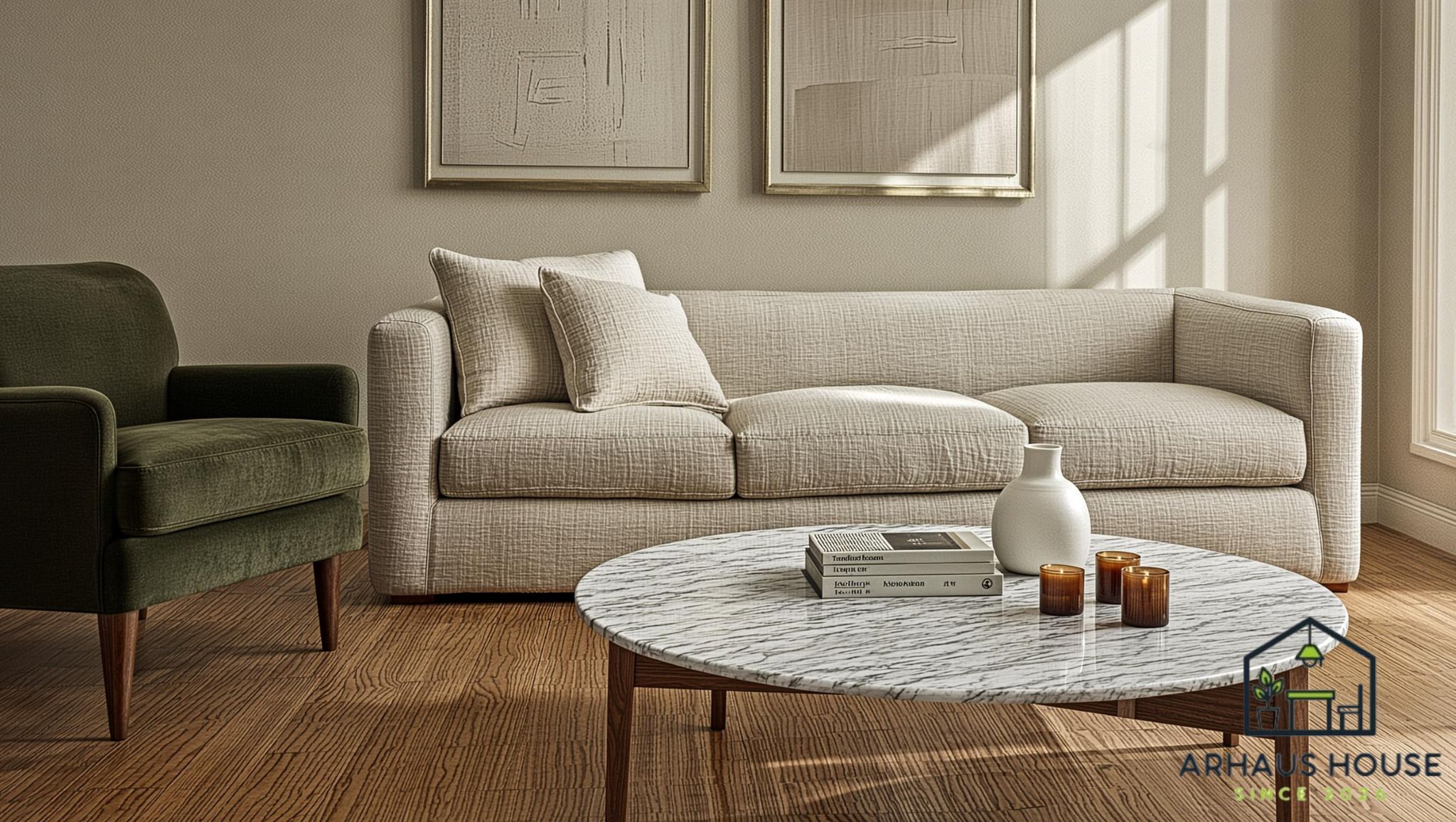
Traditional Home Decor Ideas for Timeless and Elegant Spaces
There is something deeply comforting about a home that feels grounded, elegant, and full of character. Traditional home decor embodies this timeless charm, creating spaces that are warm, inviting, and built to stand the test of time. Unlike fleeting trends, traditional interiors emphasize classic design principles, heritage-inspired patterns, and carefully layered textures that give each room a sense of history and personality.
From stately living rooms with deep wood furniture to cozy bedrooms layered with plush textiles, traditional decor tells a story. It blends craftsmanship, quality materials, and thoughtful details to create homes that feel lived in yet polished. Whether you are designing a grand house or a modest apartment, the principles behind traditional home decor can guide you in making rooms that feel elegant, cozy, and authentically yours.
In this guide, we will explore key elements, practical tips, and inspirational ideas to help you embrace traditional styling in every corner of your home—from living areas to bedrooms, kitchens, and beyond.
Understanding Traditional Home Decor
Definition and Key Principles
Traditional home decor refers to interior design that draws on historical styles, craftsmanship, and classic motifs. It often incorporates elements from European, American Colonial, Victorian, and neoclassical designs. The hallmark of this style is balance, symmetry, rich textures, and attention to detail.
Common characteristics include:
- Dark or rich wood furniture
- Classic patterns such as florals, plaids, and damasks
- Neutral and warm color palettes with accent tones
- Symmetrical furniture arrangements
- Layered fabrics like velvet, silk, and cotton
- Heritage-inspired accessories and lighting
Traditional decor prioritizes elegance and comfort, avoiding overly minimal or futuristic trends. It is both timeless and adaptable, allowing homeowners to mix heritage-inspired elements with modern conveniences seamlessly.
Why Traditional Design Remains Popular
One reason traditional home decor endures is its emphasis on quality. Furniture, textiles, and accessories are chosen for longevity and aesthetic appeal. Another reason is versatility: traditional interiors work across a variety of room sizes, layouts, and climates. Finally, its warmth and familiarity make a home feel inviting, creating a sense of refuge from the fast-paced modern world.
Traditional Living Room Ideas
Furniture and Layout
The living room is often the heart of traditional design. Key elements include:
- Seating: Upholstered sofas and armchairs in leather, velvet, or woven fabrics
- Tables: Dark wood coffee and side tables with elegant detailing
- Cabinets: Curved or paneled storage units, display cabinets for china or books
A symmetrical layout is central to creating a balanced, cohesive look. Pair two matching chairs opposite a sofa, or flank a fireplace with side tables and lamps to create harmony.
Patterns and Textiles
Patterns bring depth to traditional spaces. Popular choices include:
- Persian or oriental rugs
- Damask curtains or draperies
- Plaid throws and cushions
- Floral upholstery or accent chairs
Layering textures—from soft throws to silk cushions—adds warmth and tactile richness.
Traditional Bedroom Styling
Layered Bedding
A traditional bedroom relies on layering to create comfort and visual interest. Key tips include:
- Start with crisp cotton sheets in neutral tones
- Add a patterned quilt or duvet cover
- Include accent pillows in coordinating colors and fabrics
- Layer a throw or blanket at the foot of the bed
Classic headboards, such as wooden paneled or tufted designs, anchor the space.
Lighting and Accessories
- Lamps: Brass, ceramic, or wooden bases with fabric shades
- Tables: Nightstands with drawers and elegant detailing
- Accents: Framed artwork, vintage clocks, or porcelain figurines
Lighting should create warmth without overpowering the room. Symmetry in lamps and decor enhances the traditional feel.
Traditional Kitchen and Dining Room Ideas
Classic Kitchen Design
Traditional kitchens often feature:
- Wood cabinetry with paneling
- Marble or stone countertops
- Brass or antique-style hardware
- Open shelving with curated dishware
Accessories such as ceramic jars, woven baskets, and framed prints enhance the heritage feel.
Elegant Dining Spaces
- Tables: Solid wood, often rectangular, sometimes with carved legs
- Seating: Upholstered or wooden chairs with classic lines
- Decor: Centerpieces like flowers, candles, or fruit bowls
- Lighting: Chandeliers or pendant lamps for warmth and focus
A layered rug, tasteful curtains, and heirloom-style tableware complete the space.
Color Palettes in Traditional Home Decor
Warm and Neutral Tones
Traditional homes often emphasize neutral, warm colors that create a cozy backdrop:
- Cream and ivory
- Beige and taupe
- Warm grays
- Muted greens and blues
Accent Colors
Accents bring vibrancy while maintaining elegance:
- Burgundy or wine
- Navy or deep blue
- Forest green
- Soft gold or brass tones
Accent walls, decorative objects, and textiles are effective ways to incorporate these colors.
Patterns, Fabrics, and Textures
Common Patterns
- Damask and brocade
- Stripes and plaids
- Florals and chintz
- Herringbone or houndstooth
Fabrics and Textures
- Linen and cotton for upholstery and drapery
- Silk and velvet for luxury accents
- Wool and jute for rugs
- Leather for seating and detailing
Layering fabrics adds depth and richness, key for traditional interiors.
Flooring and Rugs
Wooden Floors
Hardwood is a traditional favorite, with oak, cherry, or mahogany adding elegance.
Area Rugs
- Persian, Oriental, or patterned rugs complement wood floors
- Layering rugs can define areas in larger rooms
- Rugs add texture and visual interest while grounding furniture arrangements
Accessories and Artifacts
Wall Decor
- Framed prints, paintings, or family portraits
- Mirrors with ornate frames
- Shelves displaying ceramics or collectibles
Decorative Objects
- Vases and bowls
- Clocks, figurines, or candlesticks
- Books and heirlooms
Accessories should feel curated, creating personality without clutter.
Incorporating Modern Elements
While rooted in heritage, traditional home decor can embrace modernity:
- Minimalist furniture pieces for contrast
- Neutral walls for balance
- Modern lighting fixtures
- Subtle metallic accents
The key is blending without losing warmth or elegance.
DIY and Budget-Friendly Tips
Affordable Accessories
- Thrifted vases, picture frames, and lamps
- Handmade pillows or throws
- Vintage books or decorative boxes
Paint and Wallpaper
- Use neutral or muted patterns for walls
- Accent one wall with damask, stripes, or floral wallpaper
- Avoid over-saturated or neon colors
Maintaining Timeless Elegance
Layer and Curate
A traditional home should feel collected over time. Display a few cherished pieces rather than overcrowding rooms. Rotate textiles, lamps, or artwork seasonally.
Invest in Quality Basics
High-quality furniture, bedding, and rugs endure longer and maintain style. Accessories can be swapped as trends or personal tastes evolve.
Embrace Symmetry
Furniture placement, artwork, and lighting should often follow symmetrical patterns. Symmetry creates balance and harmony, hallmarks of traditional design.
FAQ
What is traditional home decor?
Traditional home decor is a design style rooted in heritage, classic patterns, and timeless furniture, emphasizing warmth, elegance, and layered textures.
What colors work best in traditional interiors?
Neutral warm tones like cream, taupe, beige, and muted accent colors such as burgundy, navy, and forest green work well.
Can traditional decor fit small spaces?
Yes. Focus on layered textures, compact furniture, and accent pieces to evoke elegance without overcrowding.
What furniture is key for this style?
Classic wood furniture, upholstered seating, paneled cabinetry, and tables with carved or turned legs.
How do I mix patterns in a traditional room?
Use one dominant pattern, a supporting secondary pattern, and several solids for balance.
Are traditional interiors expensive to create?
Not necessarily. Focus on quality foundational pieces and budget-friendly accessories like textiles, lamps, or framed art.
Can modern elements work in traditional spaces?
Yes. Modern lighting, neutral walls, or minimalist furniture can blend while keeping warmth and character.
What patterns define traditional home decor?
Damask, plaid, florals, stripes, houndstooth, and subtle geometric motifs are common.
How do I avoid clutter while layering decor?
Curate items carefully, maintain breathing space, and rotate accessories seasonally.
Conclusion
Traditional home decor offers enduring beauty and warmth, blending elegance, comfort, and personality in every room. By layering textures, selecting classic furniture, using warm colors, and carefully curating accessories, any home can achieve timeless charm. Whether for a cozy bedroom, an elegant living room, or a welcoming dining area, embracing traditional principles creates a space that feels lived-in, refined, and truly home.