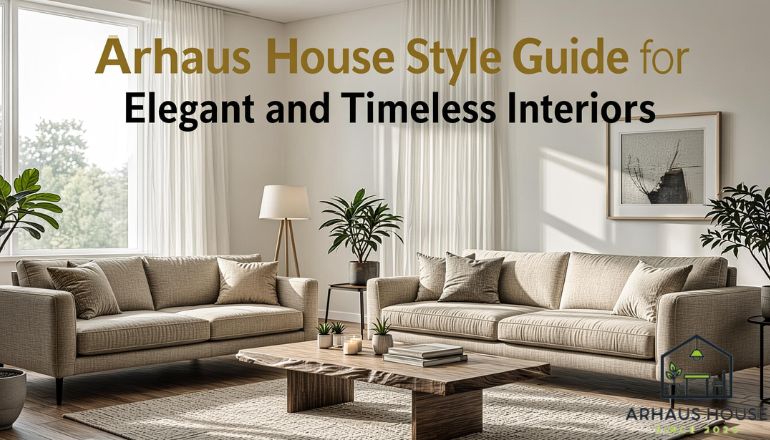
Arhaus House Style Guide for Elegant and Timeless Interiors
What makes a home feel effortlessly luxurious without appearing overly formal? The answer often lies in the balance between comfort, craftsmanship, and timeless design. That’s exactly why the concept of an arhaus house has captured the attention of homeowners seeking interiors that feel sophisticated, welcoming, and deeply personal.
Unlike fleeting design trends, this style emphasizes quality materials, thoughtful details, and spaces designed for real living. From handcrafted furniture to natural textures and elegant color palettes, the aesthetic combines luxury with livability in a way that resonates with modern homeowners.
As people increasingly invest in creating meaningful living environments, the appeal of curated interiors has grown significantly. A well-designed home isn’t just about appearance—it influences how we relax, entertain, and connect with family and friends.
This guide explores the defining characteristics, design principles, room-by-room ideas, and practical decorating strategies that can help you achieve a refined yet comfortable living space inspired by the timeless appeal of an Arhaus-inspired home.
What Is an Arhaus House?
Understanding the Design Philosophy
An arhaus house refers to a home designed around the principles often associated with high-end, artisan-crafted interiors. These spaces prioritize natural materials, quality craftsmanship, sustainable sourcing, and timeless aesthetics.
Rather than focusing on trends, the design philosophy centers on creating rooms that remain beautiful and functional for years.
Core characteristics include:
- Premium natural materials
- Handcrafted furniture
- Organic textures
- Neutral color palettes
- Thoughtful layering
- Timeless design elements
- Comfortable luxury
- Sustainable choices
The result is an environment that feels elevated without becoming intimidating.
Why This Style Continues to Grow
Modern homeowners increasingly value authenticity over excess. Instead of filling rooms with disposable décor, many prefer investing in carefully selected furnishings and meaningful accessories.
This approach creates interiors that feel curated rather than decorated.

The Core Elements of an Arhaus-Inspired Home
Natural Materials as the Foundation
One defining characteristic of an arhaus house is the extensive use of natural materials.
Common choices include:
- Solid wood
- Marble
- Linen
- Cotton
- Leather
- Stone
- Iron
- Glass
These materials introduce warmth and texture while maintaining a timeless appearance.
Handcrafted Details
Artisan craftsmanship plays a central role in the overall aesthetic.
Examples include:
- Hand-carved furniture
- Handmade ceramics
- Woven textiles
- Custom lighting
- Unique decorative accessories
These elements add character and individuality to every room.
Layered Textures
Luxury often comes from texture rather than excessive decoration.
Combining different materials creates visual depth through:
- Upholstered seating
- Natural fiber rugs
- Textured throws
- Wood furniture
- Stone surfaces
Layering allows spaces to feel sophisticated while remaining inviting.
Creating an Arhaus House Living Room
Selecting Statement Furniture
Furniture serves as the focal point of the living room.
Key pieces often include:
- Deep-seated sofas
- Oversized sectionals
- Upholstered accent chairs
- Solid wood coffee tables
- Elegant side tables
The emphasis should remain on comfort and craftsmanship.
Establishing a Cohesive Color Palette
Neutral colors provide a versatile foundation.
Popular shades include:
- Warm white
- Soft beige
- Taupe
- Greige
- Charcoal
- Sand
- Cream
These tones create a calm atmosphere while allowing textures to stand out.
Decorating with Purpose
Accessories should enhance rather than overwhelm.
Consider incorporating:
- Sculptural vases
- Large-scale artwork
- Decorative books
- Organic greenery
- Handmade pottery
Thoughtful placement creates a more refined appearance.
Designing a Sophisticated Bedroom
Focus on Comfort and Luxury
Bedrooms should function as peaceful retreats.
Essential elements include:
- High-quality bedding
- Upholstered headboards
- Soft lighting
- Layered textiles
- Natural materials
Comfort remains a defining feature of this design style.
Choose Timeless Furniture
An arhaus house aesthetic favors furniture that remains relevant through changing trends.
Look for:
- Solid wood nightstands
- Classic dressers
- Upholstered benches
- Elegant mirrors
- Durable construction
Timeless pieces provide long-term value.

Incorporate Soft Textures
Texture contributes significantly to comfort.
Popular additions include:
- Linen bedding
- Chunky knit throws
- Plush area rugs
- Velvet pillows
- Woven baskets
These details help create a cozy atmosphere.
Dining Room Design Principles
Invest in a Statement Table
The dining table often serves as the centerpiece of the room.
Popular materials include:
- Reclaimed wood
- Oak
- Walnut
- Marble
- Mixed materials
A substantial dining table adds both functionality and visual impact.
Elegant Lighting Choices
Lighting dramatically influences mood.
Consider:
- Oversized chandeliers
- Pendant lighting
- Sculptural fixtures
- Layered illumination
- Warm lighting temperatures
Lighting should complement the overall design rather than dominate it.
Add Organic Elements
Natural accents soften formal dining spaces.
Examples include:
- Fresh flowers
- Greenery
- Wooden serving pieces
- Natural fiber runners
- Ceramic centerpieces
Organic elements create warmth and balance.
Kitchen Design in an Arhaus House
Emphasize Natural Beauty
Kitchen design often centers around authentic materials.
Common features include:
- Wood cabinetry
- Stone countertops
- Open shelving
- Handmade tile
- Brass hardware
These materials develop character over time.
Blend Function and Style
Beautiful kitchens should also support daily life.
Focus on:
- Efficient layouts
- Durable surfaces
- Practical storage
- Quality fixtures
- Comfortable seating
Functionality and beauty should work together seamlessly.
Create Gathering Spaces
Modern kitchens frequently serve as social hubs.
Enhance gathering areas with:
- Large islands
- Comfortable stools
- Warm lighting
- Decorative accents
- Open floor plans
These features encourage connection and conversation.
The Role of Sustainability
Why Sustainable Design Matters
Many homeowners are increasingly conscious of environmental impact.
A thoughtfully designed arhaus house often emphasizes:
- Responsible sourcing
- Long-lasting products
- Natural materials
- Ethical craftsmanship
- Reduced waste
These principles support both quality and sustainability.
Choosing Durable Furnishings
Durability contributes significantly to sustainable living.
Benefits include:
- Fewer replacements
- Better long-term value
- Reduced waste
- Timeless appeal
- Improved craftsmanship
Quality often proves more economical over time.

Decorating with Art and Accessories
Selecting Meaningful Artwork
Artwork helps personalize interiors.
Choose pieces that:
- Reflect your personality
- Complement the color palette
- Add visual interest
- Create focal points
- Support the overall aesthetic
Meaningful art contributes authenticity.
Styling Shelves and Surfaces
Successful styling relies on balance.
Include a mix of:
- Books
- Sculptures
- Greenery
- Ceramics
- Personal treasures
Avoid overcrowding for a more sophisticated appearance.
Bringing Nature Indoors
Natural elements create warmth and vitality.
Popular additions include:
- Olive trees
- Fiddle-leaf figs
- Fresh flowers
- Branch arrangements
- Dried botanicals
Nature enhances nearly every room.
Common Design Mistakes to Avoid
Overdecorating
Luxury interiors often embrace restraint.
Avoid:
- Excessive accessories
- Overly busy patterns
- Cluttered surfaces
- Too many focal points
- Mismatched styles
Thoughtful simplicity often creates the strongest impact.
Ignoring Scale
Furniture and décor should suit the room’s dimensions.
Consider:
- Ceiling height
- Floor space
- Traffic flow
- Visual balance
- Proportions
Proper scale improves both aesthetics and functionality.
Chasing Short-Term Trends
Timeless interiors prioritize enduring design principles.
Investing in classic pieces often results in spaces that remain stylish for many years.
How to Achieve the Look on Any Budget
Prioritize Key Pieces
Not every item needs to be expensive.
Focus investments on:
- Sofas
- Dining tables
- Beds
- Rugs
- Lighting
These elements have the greatest visual influence.
Mix High and Low Elements
Combining investment pieces with affordable accessories creates a balanced and realistic approach.
This strategy allows homeowners to achieve a sophisticated look without exceeding their budget.
Build Gradually
The most beautiful homes often evolve over time.
Rather than furnishing everything at once:
- Establish foundational pieces.
- Add layers gradually.
- Invest intentionally.
- Refine over time.
- Prioritize quality.
Patience often produces better results.
FAQ
What is an arhaus house?
An arhaus house refers to a home inspired by luxury, artisan-crafted interiors that emphasize natural materials, comfort, sustainability, and timeless design.
What design style is most associated with this look?
The aesthetic often combines organic modern, contemporary, rustic, and transitional design elements.
Which colors work best?
Neutral shades such as cream, beige, taupe, warm gray, and soft white create the ideal foundation.
Are natural materials important?
Yes. Wood, stone, linen, leather, and metal contribute significantly to the overall aesthetic.
Can small homes use this design approach?
Absolutely. The principles of quality, simplicity, and thoughtful styling work well in homes of any size.
How do I make my home feel more luxurious?
Focus on texture, quality materials, layered lighting, comfortable furnishings, and intentional décor choices.
Is sustainability part of the design philosophy?
Yes. Many homeowners embracing this style prioritize durable furnishings and responsibly sourced materials.
What rooms should I update first?
Living rooms and bedrooms often provide the greatest visual and functional transformation.
Conclusion
The enduring appeal of an arhaus house lies in its ability to blend elegance, comfort, and authenticity. Rather than relying on temporary trends, this design approach focuses on quality craftsmanship, natural materials, and thoughtfully curated interiors that stand the test of time.
Whether you’re redesigning an entire home or making gradual updates, embracing these principles can help create spaces that feel warm, sophisticated, and deeply personal. The most memorable homes aren’t necessarily the most extravagant—they’re the ones that balance beauty, functionality, and genuine comfort in every detail.